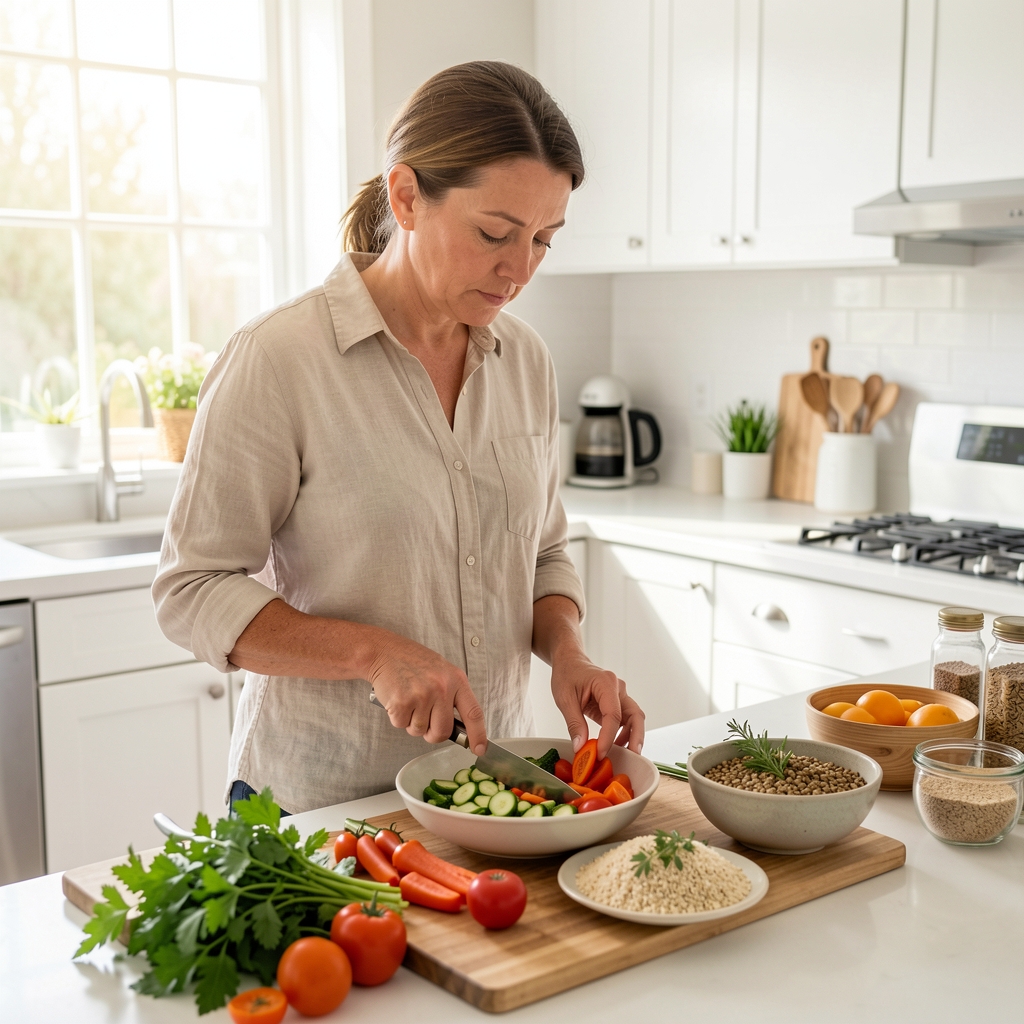
Human digestion is a highly coordinated biochemical sequence involving muscular contractions, gastric secretions, bile acids, and specialized catalytic proteins known as enzymes. As adults enter their 40s and 50s, questions frequently arise regarding whether the body's natural digestive enzyme output declines, and whether retail enzyme supplements are helpful for everyday digestive comfort.
This guide explains the step-by-step enzymatic sequence, clarifies the difference between natural physiological adaptations and clinical pancreatic insufficiency, and highlights practical whole-food and lifestyle strategies for supporting digestion.
The Digestion Sequence: Step by Step
Enzyme activity occurs sequentially along the gastrointestinal tract, with different enzymes activated by specific pH levels and conditions:
- The Cephalic & Oral Phase (Mouth): Mastication (chewing) physically breaks food apart while salivary amylase begins converting complex starches into maltose. Lingual lipase initiates minor fat digestion.
- The Gastric Phase (Stomach): Hydrochloric acid denatures proteins and activates the enzyme pepsin, which breaks protein chains into shorter polypeptides. Acidic conditions also serve as a barrier against pathogens.
- The Luminal Phase (Small Intestine): As chyme enters the duodenum, the pancreas secretes bicarbonate (to neutralise acid) along with potent digestive enzymes (pancreatic amylase, trypsin, chymotrypsin, and pancreatic lipase). Bile salts from the liver emulsify fats for absorption.
- The Brush Border & Colonic Phase: Microvilli on enterocytes produce terminal enzymes (lactase, sucrase, maltase) to allow single-molecule nutrient absorption, while remaining non-digestible fibre passes to colonic bacteria.
Primary Digestive Enzymes Defined
- Amylase
- Produced by salivary glands and the pancreas; catalyses the breakdown of complex carbohydrates and starches into simpler sugars.
- Protease (Pepsin, Trypsin, Chymotrypsin)
- Enzymes active in the stomach and small intestine that cleave peptide bonds in dietary proteins into absorbable amino acids.
- Lipase
- Secreted primarily by the pancreas; breaks dietary triglycerides into glycerol and free fatty acids alongside bile acids.
- Lactase
- A small-intestinal brush-border enzyme required to hydrolyse lactose, the disaccharide found in milk and dairy products.
What Truly Changes with Age?
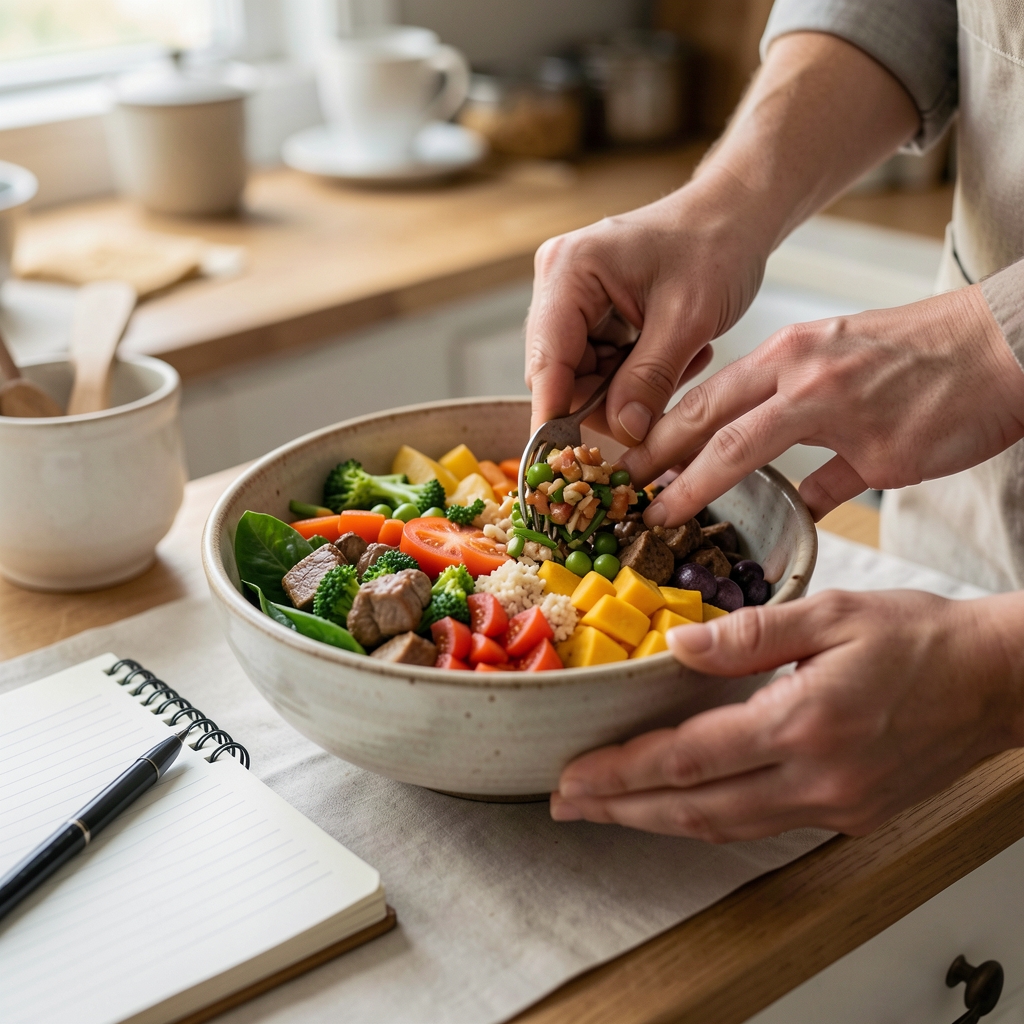
Scientific literature indicates that while minor reductions in gastric acid output (hypochlorhydria) and subtle declines in pancreatic secretory reserve can occur in older populations, the human digestive system retains robust enzymatic capacity well into middle age. For most healthy adults over 40, digestive sensations (such as heaviness or post-meal fatigue) are more commonly linked to meal volume, eating speed, stress levels, and fat content rather than an abrupt cessation of enzyme production.
Whole Foods Containing Natural Plant Enzymes
| Food Item | Naturally Occurring Enzymes | Culinary & Dietary Context |
|---|---|---|
| Fresh Pineapple | Bromelain (Proteolytic) | Best consumed fresh; heat pasteurisation in tinned fruit destroys enzyme activity. |
| Fresh Papaya | Papain (Proteolytic) | Traditionally used in South American and Asian cuisines to tenderise meats and accompany meals. |
| Fermented Dairy (Kefir / Live Yoghurt) | Microbial Lactase | Bacterial fermentation breaks down substantial lactose, improving dairy tolerance. |
| Sprouted Grains & Legumes | Endogenous Phytases & Amylases | Soaking and sprouting deactivates natural enzyme inhibitors and enhances nutrient bio-accessibility. |
Commercial Supplements vs Clinical Prescriptions
Over-the-counter dietary supplement enzymes (derived from fungi, plants, or microbial fermentation) are regulated under UK food law and are distinct from pharmaceutical-grade Pancreatic Enzyme Replacement Therapy (PERT) prescribed by medical specialists for diagnosed medical conditions (such as chronic pancreatitis or cystic fibrosis).
Key Takeaways
- Digestion is a multistage, coordinated process requiring chewing, acid, bile, and pancreatic enzymes.
- Healthy adults over 40 generally maintain sufficient enzyme production for a varied, balanced diet.
- Eating slowly, chewing thoroughly, and managing meal size support natural digestive secretions.
- Significant, unexplained malabsorption or fatty stools (steatorrhea) require prompt clinical investigation by a GP.
Frequently Asked Questions
Do I need a commercial digestive enzyme supplement after turning 40?
For the vast majority of healthy adults, routine enzyme supplementation is not medically necessary. Addressing meal pace, portion sizes, and chewing habits is generally the first and most effective step.
Can taking enzyme supplements stop my body from producing its own?
Current clinical research indicates that short-term use of food-supplement enzymes does not permanently down-regulate pancreatic production, but prolonged self-treatment may mask an underlying condition that warrants medical evaluation.
Medical Disclaimer
This article provides nutritional and physiological education. If you experience persistent upper abdominal pain, unexplained weight loss, or persistent symptoms of malabsorption, please consult your GP.