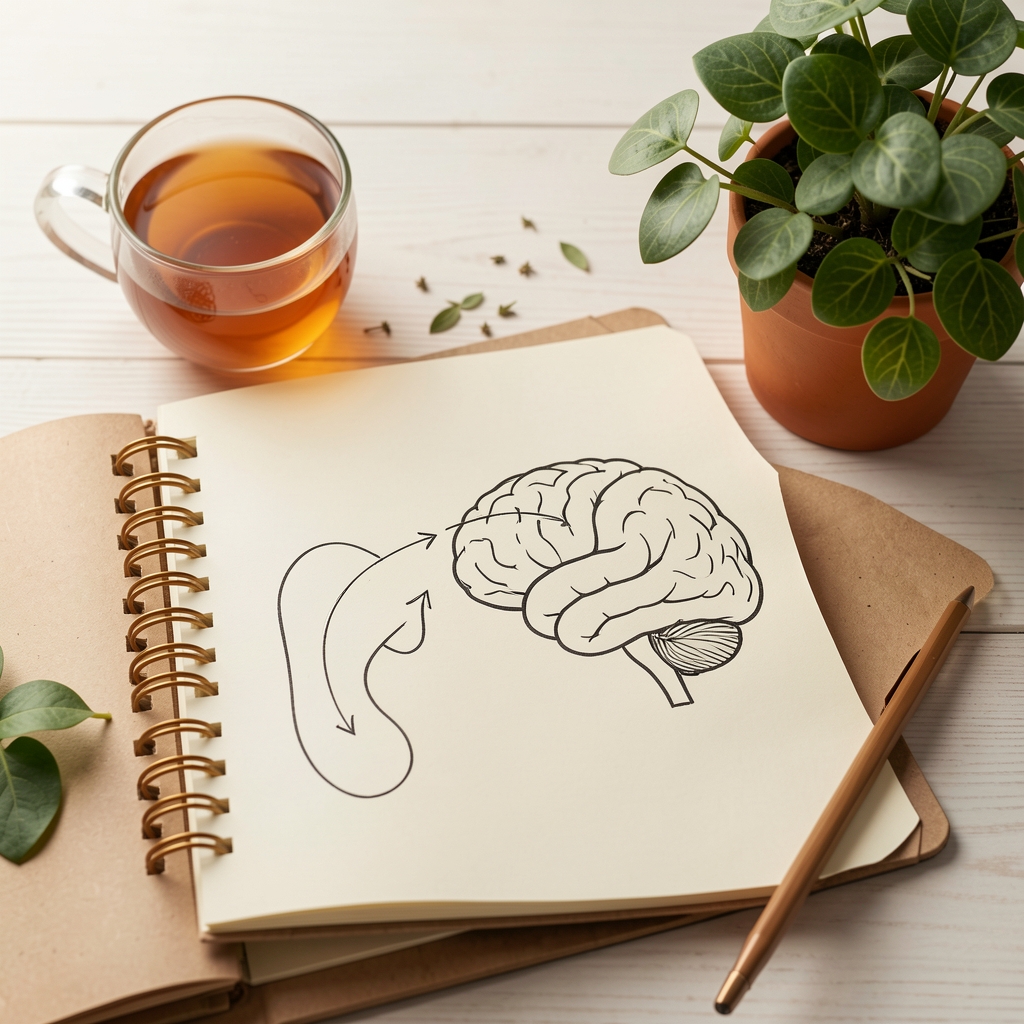
The gut-brain axis refers to the bidirectional, constant biological dialogue connecting the central nervous system (brain and spinal cord) with the enteric nervous system of the digestive tract. While media coverage often simplifies this into catchy headlines about a "second brain" or miracle mood foods, clinical neurogastroenterology reveals an intricate interplay of neural wiring, neuroendocrine hormones, immune cytokines, and microbial metabolites.
This editorial review separates established physiological principles from speculative theories, exploring how circadian sleep rhythms, occupational stress, physical exercise, and dietary patterns interact for adults navigating middle age.
The Four Primary Communication Pathways
Signal transmission between the digestive tract and the brain operates across multiple interconnected channels:
| Pathway | Primary Biological Mechanism | Key Research Area |
|---|---|---|
| Neural (Vagus Nerve) | Direct cranial nerve wiring connecting brainstem to gut; transmits visceral sensory data. | Vagal tone, parasympathetic activation, motility control. |
| Neuroendocrine / Hormonal | Gut hormones (ghrelin, leptin, CCK, GLP-1, serotonin precursors) regulating appetite and satiety. | Hypothalamic-pituitary-adrenal (HPA) stress response. |
| Immune & Cytokine | Gut-associated lymphoid tissue (GALT) producing inflammatory and anti-inflammatory signalling proteins. | Low-grade systemic inflammation and mood associations. |
| Microbial Metabolites | Bacterial fermentation products (SCFAs like butyrate, secondary bile acids, tryptophan metabolites). | Blood-brain barrier integrity and microglial regulation. |
The Enteric Nervous System: Over 100 Million Neurons
Embedded throughout the lining of the oesophagus, stomach, small intestine, and colon is the Enteric Nervous System (ENS), comprising over 100 million specialised sensory neurons, interneurons, and motor neurons. While the ENS can independently manage peristalsis and enzyme secretion without cerebral input, it continuously transmits afferent signals upward to the brainstem and limbic system (the brain's emotional processing hub).

Stress, Sleep and Middle-Age Routines
When the body experiences acute or chronic stress, the hypothalamic-pituitary-adrenal (HPA) axis releases cortisol and catecholamines. These stress hormones directly alter intestinal motility, increase mucosal permeability ("gut barrier function"), and alter microbial fermentation rates. For adults over 40 balancing career demands, family commitments, and shifting sleep patterns, addressing lifestyle stressors is often just as impactful for digestive wellness as altering food intake.
How to Critically Evaluate Gut-Brain Claims
5 Questions to Ask When Reading Health Headlines
- Species Context: Was the study performed in rodent models or human clinical cohorts? (Translating mouse behaviour to human psychology is notoriously fraught).
- Causation vs Correlation: Did the study prove that a dietary intervention caused an outcome, or merely that two variables occurred together?
- Sample Duration: Did the trial follow participants over months, or just a few days?
- Commercial Sponsorship: Was the research funded by an entity selling a specific proprietary strain or product?
- Personal Fit: Does the study population reflect your age, medical history, and baseline lifestyle?
Key Takeaways
- The gut and brain communicate continuously via the vagus nerve, hormones, immune cells, and microbial byproducts.
- Over 100 million neurons in the gut lining regulate digestive reflexes in response to nervous system signals.
- Chronic stress and fragmented sleep directly influence gastrointestinal motility and comfort.
- Balanced nutrition, regular moderate exercise, and stress recovery practices work synergistically.
Frequently Asked Questions
Is 90% of the body's serotonin really made in the gut?
Yes. Enterochromaffin cells in the gut mucosa synthesize approximately 90% of the body's peripheral serotonin. However, this peripheral serotonin does not cross the blood-brain barrier; instead, it acts locally to regulate bowel motility, platelet aggregation, and local sensory signaling.
Can taking a specific probiotic cure anxiety or depression?
No commercial food supplement should ever be viewed as a substitute for professional mental healthcare. While "psychobiotics" represent an intriguing research domain, clinical trials remain preliminary, and supplements cannot replace evidence-based medical therapies or psychological counselling.
Medical Disclaimer
This review is provided for general health education. If you are experiencing persistent mood disorders, severe anxiety, depression, or debilitating gastrointestinal symptoms, please seek direct evaluation from a qualified medical doctor or mental health professional.